differences

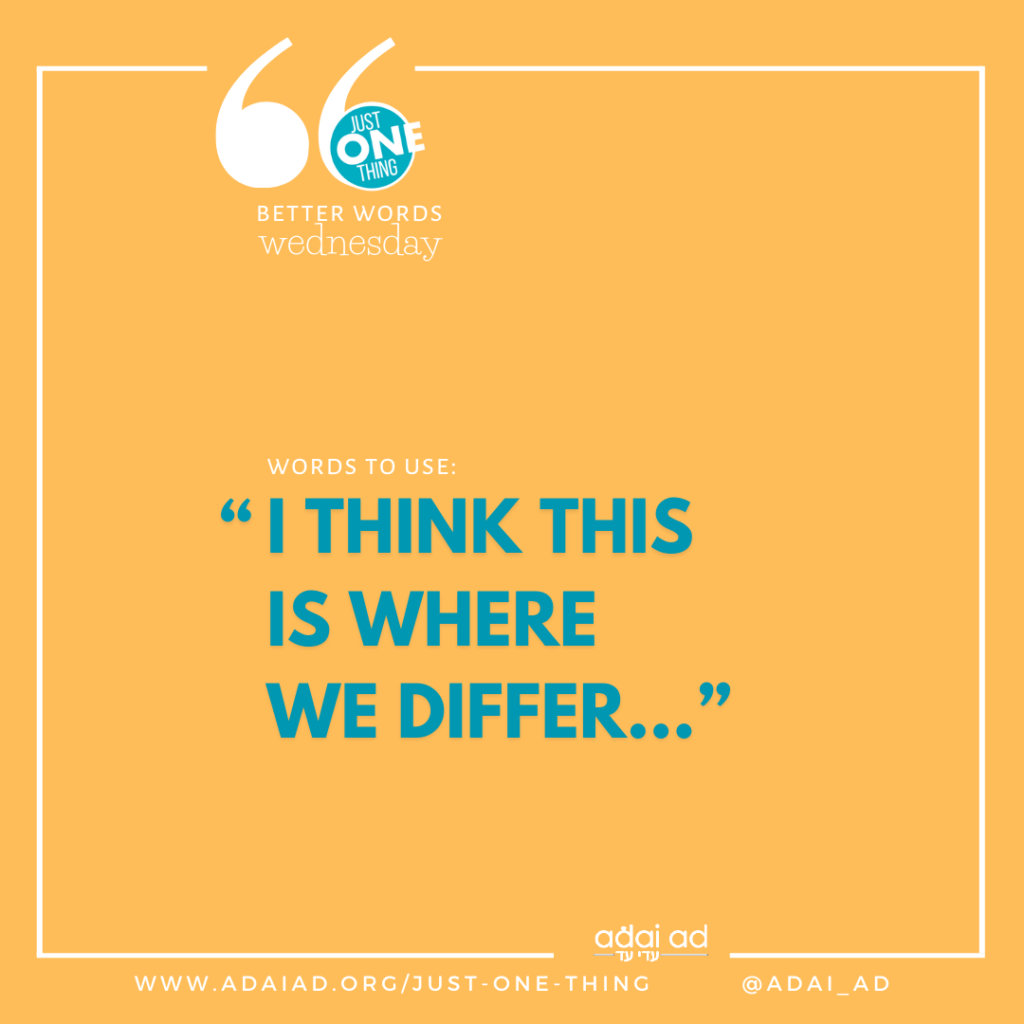
Words To Use: “I think this is where we differ…”

The phrase “I think this is where we differ…” is a great way to acknowledge a disagreement without escalating conflict. It keeps the conversation respectful, showing that you recognize and respect the other person’s perspective while expressing your own. It’s a softer, more thoughtful approach to differences, opening the door for dialogue rather than argument. […]

Words To Use: “I think this is where we differ…” Read More »
Respecting our differences

As two individuals with unique backgrounds and perspectives, it’s natural for us to see things differently. There’s no right or wrong way—just different ways of understanding the world around us. When your spouse shares an opinion that doesn’t align with yours, try to understand and empathize with their point of view. ➡️ Ask them to

Respecting our differences Read More »

Love eases differences

💡 When you genuinely love and enjoy your partner’s company, differences may matter less. You’ll find comfort in letting them be themselves, knowing that your connection is built on love and respect. While some differences may be significant and require discussion, many disagreements may not be as crucial as they seem. To strengthen your bond,

Love eases differences Read More »

Embrace Differences with Curiosity, Validation, and Creative Compromise.

In the intricate dance of relationships, embracing differences becomes an art form guided by curiosity. Take the time to slow down and genuinely explore your partner’s ideas and opinions, even when they diverge from your own. Validate their perspectives, respecting the validity of their thoughts and experiences, even if you don’t agree. Instead of rushing

Embrace Differences with Curiosity, Validation, and Creative Compromise. Read More »

It’s OK to have different responses to tough situations.

In challenging times, people react based on their unique blend of fears, interests, responsibilities, and experiences (FIRE). Recognize that everyone copes differently, and that’s perfectly fine. The key is to validate and empathize with their perspective rather than judging or belittling them. Let them have their own reactions. Have conversations – without judgment but with

It’s OK to have different responses to tough situations. Read More »

Scroll to Top