
Accept a “no” answer
‘No’ is an acceptable answer. If you ask something of your spouse, “no” has to be an acceptable response. You cannot demand, sulk, be passive-aggressive or try to convince or manipulate.
Accept a “no” answer Read More »
‘No’ is an acceptable answer. If you ask something of your spouse, “no” has to be an acceptable response. You cannot demand, sulk, be passive-aggressive or try to convince or manipulate.
Accept a “no” answer Read More »

If your spouse says something, and then quickly follows with the words “disregard it”, then do just that – disregard it. Don’t over-analyze what was originally said. They realized that whatever was said should not have been shared in that way (or at all) and they wish it could be disregarded and forgotten. Deleted. For
If your spouse says “disregard it”, then disregard it. Read More »
When you find yourself feeling offended or threatened by something, ask yourself, “What about this really bothers me?” The answer may help you see that you are over-reacting.
Pay attention to what offends or upsets you. Read More »
Not forgiving is like trying to punish the other – by harming yourself. The unforgiveness may be aimed at the other, but in reality you are only wounding yourself. Forgiveness is giving up the idea that the past could have had different results. It is about letting go of a hurtful situation and moving on
Forgive to move on Read More »

According to the Gottman Institute, 94% of the time, the way the conversation begins determines how it ends. In other words, discussions will end on the same note they begin. If you start an argument harshly by attacking your partner, you will end up with at least as much tension as you began with, if
Start conversations about conflict – softly. Read More »
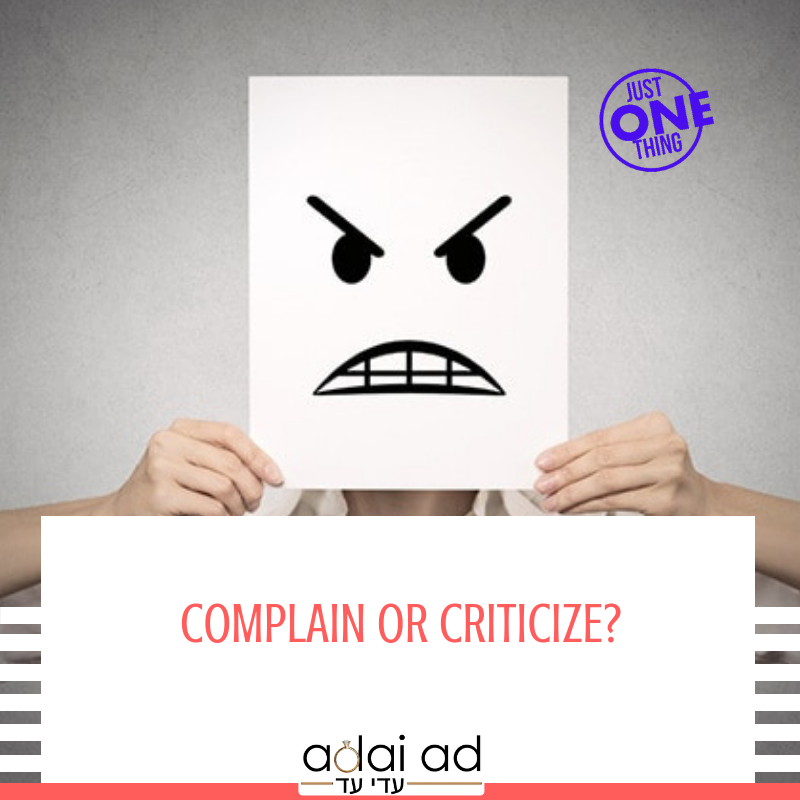
Criticizing puts more attention on the thing/person being criticized. Complaining puts more attention on the person complaining. When you criticize something, you’re saying “Here’s what’s wrong with it/you,” but when you complain you’re saying “I’m not happy about this.” It may just be semantics, but there is a difference in the mindset and attitude. Complaining
Complain or criticize? Read More »
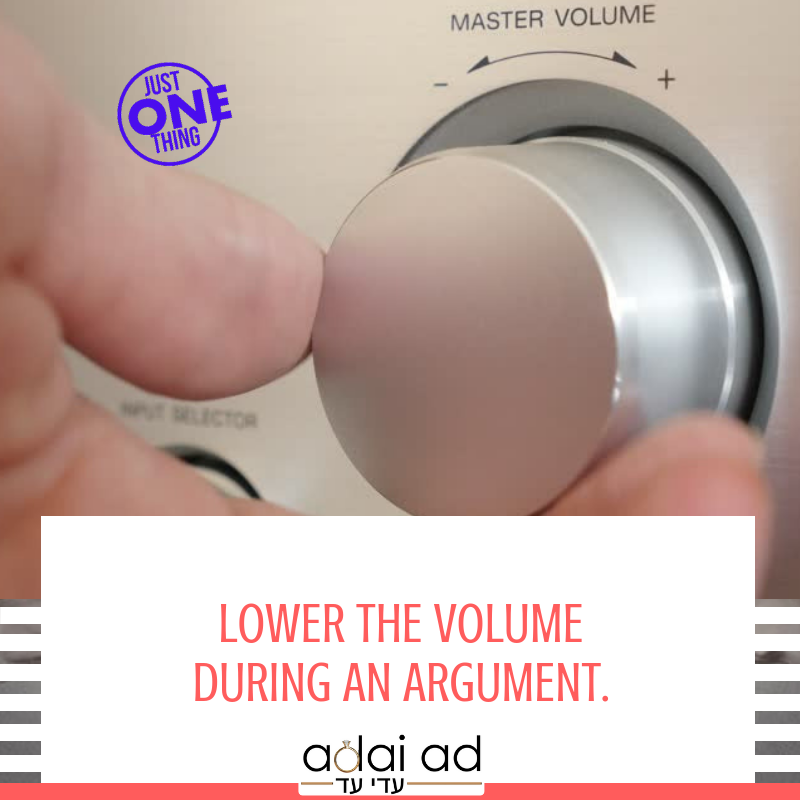
Talk softly. The louder someone yells, the less likely they are to be heard. Even if your spouse yells, there’s no need to yell back. Taking the volume down makes it possible for people to start focusing on the issue instead of reacting to the noise.
Lower the volume during an argument. Read More »
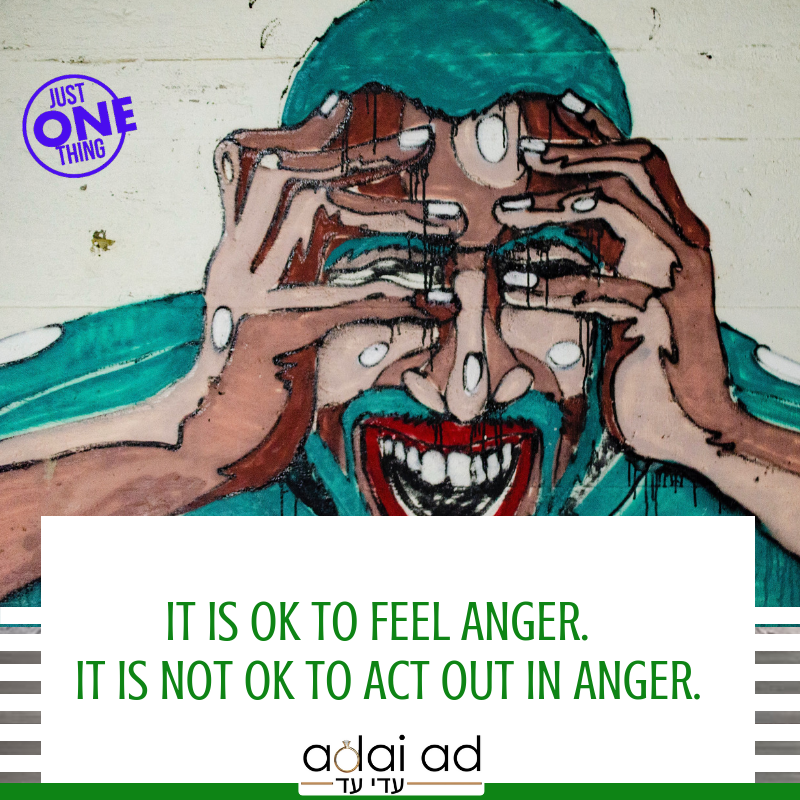
Anger is in itself neither good nor bad—it’s what you do with it that matters. Anger is best viewed as a tool that helps us read and respond to upsetting situations. For example, we can get angered by injustice to the less fortunate and use those feelings to create initiatives to help. Unfortunately, too many
It is ok to feel anger. It is not ok to act out in anger. Read More »

When you agree to disagree you are essentially hitting a dead-end, and thus there is a sense of disconnect. You are each holding onto to your own truth without acknowledging that the other person has another interpretation of the same event. Rather, listen to understand the other’s perspective. Based on their experiences and logic, their
Don’t “agree to disagree” Read More »

Let go of being right and accept your spouse for who they are. When you accept reality, your life will be much less stressful. – He always runs late. Instead of yelling at him each and every time, accept that he’ll always be late and add a time buffer to any plans with him. –
Let go of being right and accept your spouse. Read More »