conflict resolution

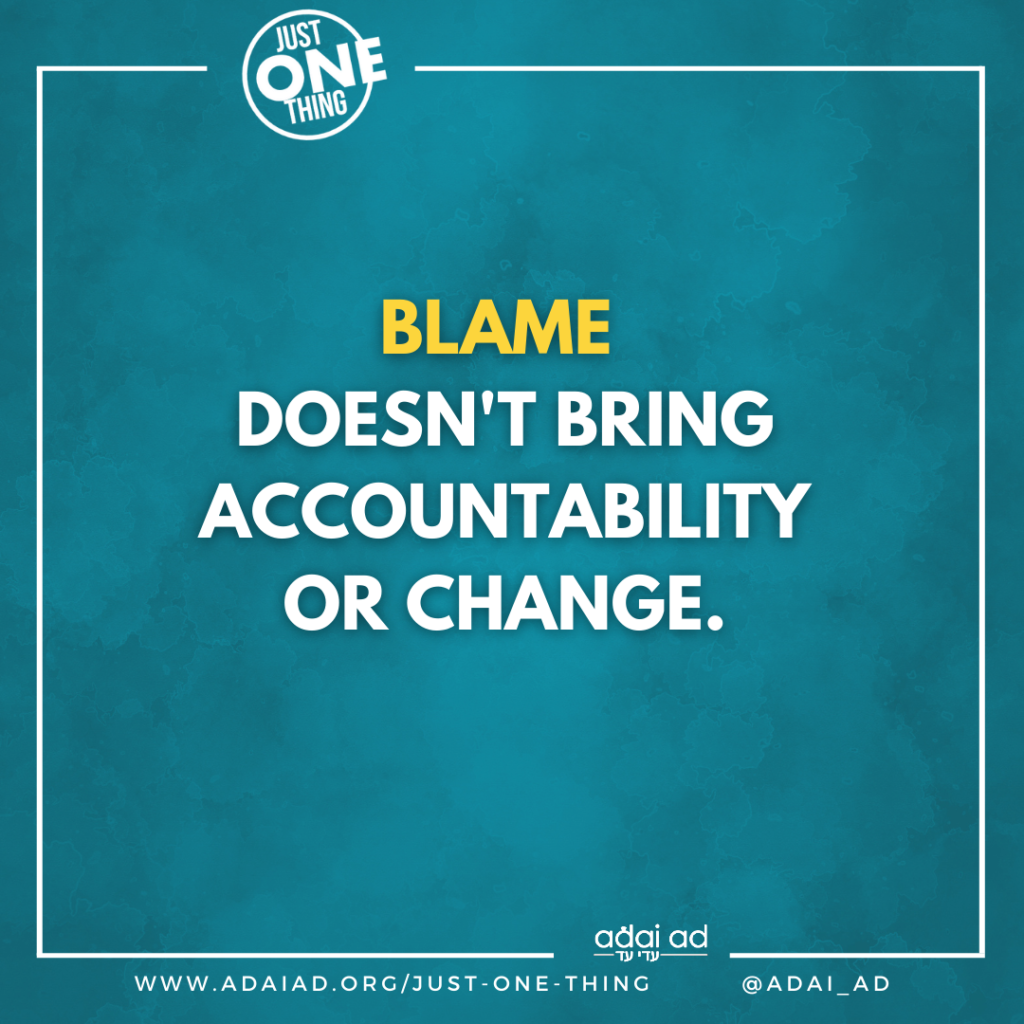
Blame doesn’t bring accountability or change.

Blaming someone rarely leads to accountability or real change. Why? Because blame makes people defensive. Instead of feeling accountable, they start looking for excuses or someone else to blame. It shuts down productive conversations and growth. Instead, create an atmosphere of understanding. For example, instead of saying, “You don’t care enough to do [something important […]

Blame doesn’t bring accountability or change. Read More »
Embrace Differences with Curiosity, Validation, and Creative Compromise.

In the intricate dance of relationships, embracing differences becomes an art form guided by curiosity. Take the time to slow down and genuinely explore your partner’s ideas and opinions, even when they diverge from your own. Validate their perspectives, respecting the validity of their thoughts and experiences, even if you don’t agree. Instead of rushing

Embrace Differences with Curiosity, Validation, and Creative Compromise. Read More »

Understanding Your Spouse Even When You Don’t Understand

Despite our best intentions, our words or actions (or inactions) may unknowingly land wrong, sometimes triggering negative emotions in our partners. It’s important to recognize and validate their feelings about the experience. Even if we didn’t intend to cause harm. Even if we don’t understand. Even if we and many others would not have similar

Understanding Your Spouse Even When You Don’t Understand Read More »

Owning Up: The Power Of Taking Responsibility

When tensions run high during conflicts or misunderstandings, it’s tempting to deflect or shift blame. Embracing responsibility and taking ownership to take ownership of our actions and their consequences can pave the way for resolution and growth. And deeper connection. Taking ownership means acknowledging our role, whether it’s through our words, actions, or reactions. It’s

Owning Up: The Power Of Taking Responsibility Read More »

Boundaries and Ultimatums.

There’s a nuanced difference between a boundary and an ultimatum. The distinction largely hinges on our tone, intention, and mindset when delivering our message. 🎯A boundary is about establishing our personal limits. 🎯 An ultimatum is more about trying to control someone else’s actions. When we set a boundary, we focus on expressing our needs

Boundaries and Ultimatums. Read More »

Requests and Boundaries.

Requests and boundaries are vital tools in expressing our needs and setting limits within relationships. 🎯Requests involve asking someone to change their behavior to meet our needs. It’s essential to recognize that whether they comply or not is ultimately beyond our control; requests are fundamentally unenforceable. “Please speak to me more calmly?” 🎯Setting boundaries involves

Requests and Boundaries. Read More »

Scroll to Top